

OUR is an Approved K–8 Math Provider in California

Learn More
Open Up Resources

EL Education’s
K–8 ELA Core Curriculum

A Knowledge-Building Literacy Curriculum That Develops Skilled Readers, Writers, and Thinkers

What Sets EL Education Apart?

EL Education’s K–8 ELA Core Curriculum is a comprehensive literacy program designed to build strong readers, writers, and thinkers. Grounded in the Science of Reading, the curriculum integrates foundational skills, knowledge building, and language development through rich texts and real-world topics.
Comprehensive Literacy Instruction

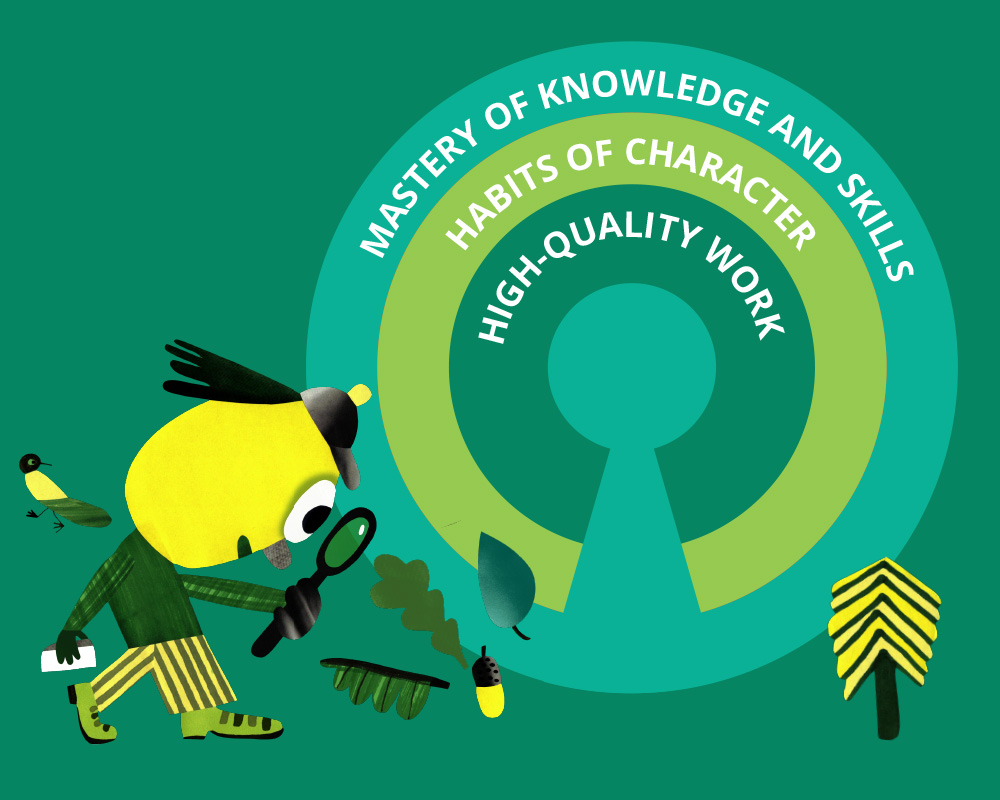
Students strengthen their literacy skills while building knowledge about the world and developing the habits of character needed to contribute thoughtfully to their communities.
  • Engage with complex literary and informational texts
  • Write regularly for narrative, informational, and opinion purposes
  • Participate in structured academic discussions
  • Develop academic vocabulary and language
  • Build knowledge while strengthening literacy skills

A Coherent K–8 Literacy System

EL Education’s K–8 ELA Core Curriculum clearly defines instructional components, pacing, and relationships across lessons and units. Across grade levels, the program integrates:
  • Knowledge-building modules
  • Explicit foundational skills instruction
  • Academic language development
  • Writing and discussion routines
  • Embedded assessment and instructional guidance

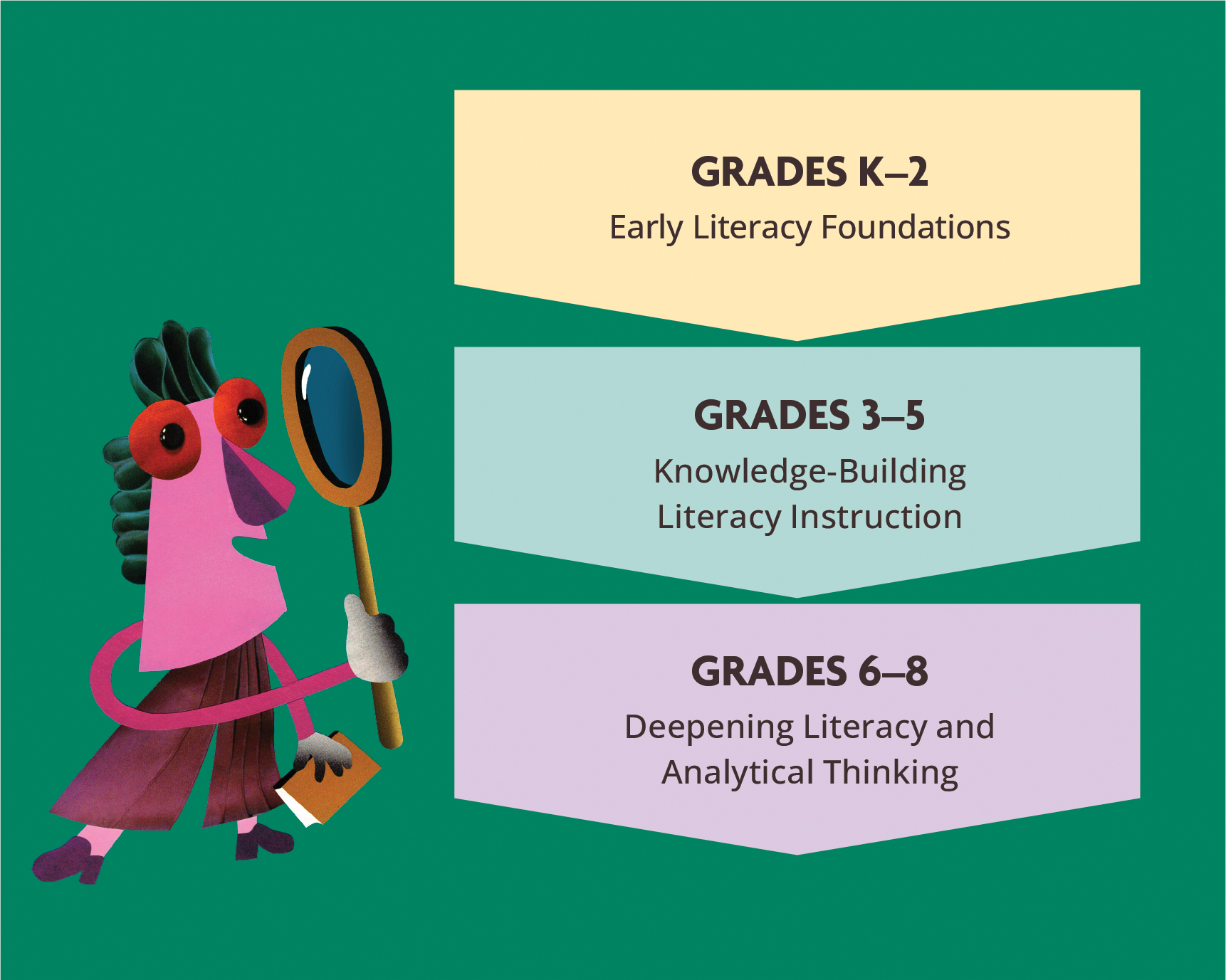
Grades K–2: Early Literacy Foundations

The K–2 ELA Core Curriculum builds foundational reading skills while developing knowledge and language through compelling module topics.

Key instructional components include:

Knowledge-Building Modules

Students engage with content-rich topics that connect literacy to science, social studies, and literature.

K–2 Labs

Hands-on exploration and purposeful play strengthen oral language and deepen understanding of module topics.

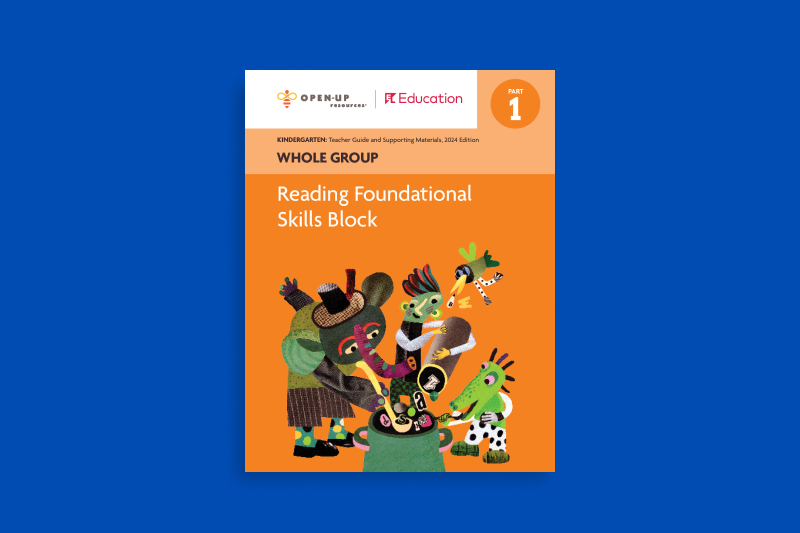
Reading Foundational Skills Block

Daily, explicit instruction develops phonemic awareness, phonics, decoding, fluency, and spelling.

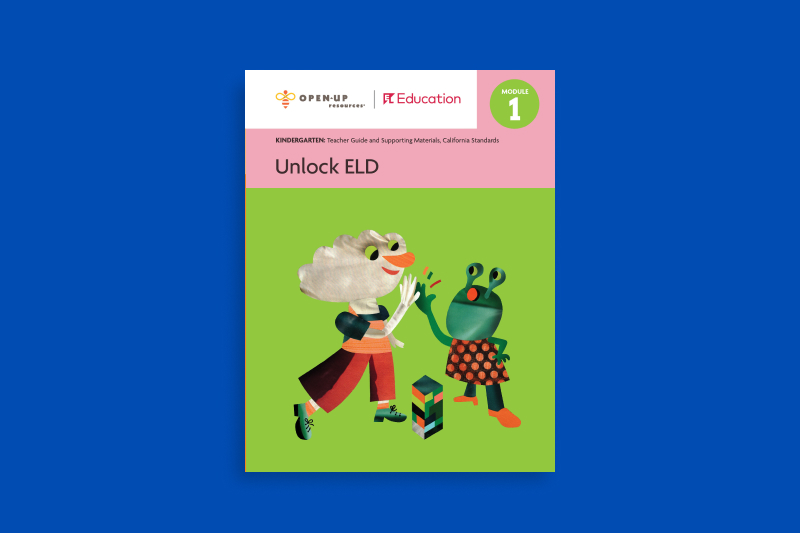
Unlock ELD

Designated English Language Development connected to module topics supports multilingual learners.

Grades 3–5: Knowledge-Building Literacy Instruction

In upper elementary grades, students continue building strong literacy skills while engaging with complex texts and meaningful writing tasks.

Core components include:

Content-Based Modules

Students build background knowledge, vocabulary, and comprehension through literary and informational texts.

Additional Literacy and Language (ALL) Block

Standards-aligned foundational skills instruction builds phonemic awareness, phonics, decoding, fluency, and spelling through explicit, daily practice.

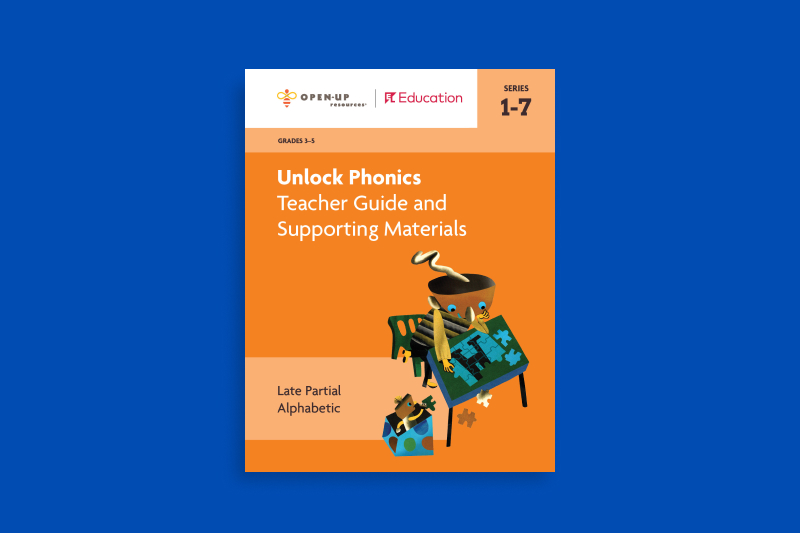
Unlock Phonics

Targeted phonics and decoding intervention provides additional foundational skills support.

Unlock ELD

Designated English Language Development supports multilingual learners through daily instruction connected to module texts.

Grades 6–8: Deepening Literacy and Analytical Thinking

In middle school, students build academic mastery while strengthening analytical reading, writing, and discussion skills.


Text-Centered Instruction

Students engage with complex, on-grade trade books and articles spanning literature, science, and social studies, building vocabulary and content knowledge.

Assessment and Progress

Embedded assessments, performance tasks, and ongoing progress monitoring give teachers real-time insight into student growth, while UDL-aligned scaffolds and rubrics ensure every learner can access feedback and improve.

Writing and Grammar

Students write every day across narrative, informational, and argumentative genres, supported by Painted Essay routines, a process-based approach, and grammar instruction embedded directly in the context of real writing.

Speaking and Listening

Structured protocols like Conversation Cues drive purposeful discussion, debate, and presentation, building the academic dialogue skills that reinforce both comprehension and writing fluency.

Science of Reading–Aligned Foundational Skills

In early grades, the curriculum includes systematic foundational skills instruction aligned to research on how students learn to read.

These skills are taught through a structured sequence designed to build automatic word recognition and fluent reading.

Students who need additional support receive targeted instruction through Unlock Phonics, which uses assessment-informed placement and progress monitoring to address individual skill gaps.

Students develop:
  • Phonemic awareness
  • Phonics and decoding
  • Orthographic mapping
  • Fluency and high-frequency word recognition
  • Spelling and word study

Language Development and Multilingual Learner Support

The curriculum supports multilingual learners through both integrated and designated language development.

These supports help students build academic language while engaging with grade-level literacy tasks.

Language supports include:
  • Explicit academic vocabulary instruction
  • Structured academic discussions
  • Sentence-level analysis through Language Dives
  • Writing scaffolds and sentence frames

A Balanced Assessment System

The curriculum includes a balanced system of assessments that monitor student progress and inform instruction.

Educators use assessment results to guide reteaching, enrichment, and targeted instructional support.

Assessment features include:
  • Ongoing formative checks within daily lessons
  • Unit-level summative assessments
  • Authentic literacy tasks connected to module content
  • Multiple response formats including written responses, performance tasks, and discussion

Designed for All Learners

Universal Design for Learning (UDL) principles are embedded throughout the curriculum to ensure equitable access to grade-level content.

These supports help ensure meaningful participation for multilingual learners, students with disabilities, and a wide range of learners.

Instruction includes:
  • Multiple ways to engage students in learning
  • Visual, oral, and written representations of content
  • Multiple opportunities for students to demonstrate understanding
  • Built-in scaffolds such as sentence frames, modeling, and guided practice

Everything Educators Need to Implement with Confidence

Open Up Resources provides comprehensive materials and implementation support to help districts successfully implement the EL Education curriculum.

Educators have access to:
  • Printed teacher manuals and student materials
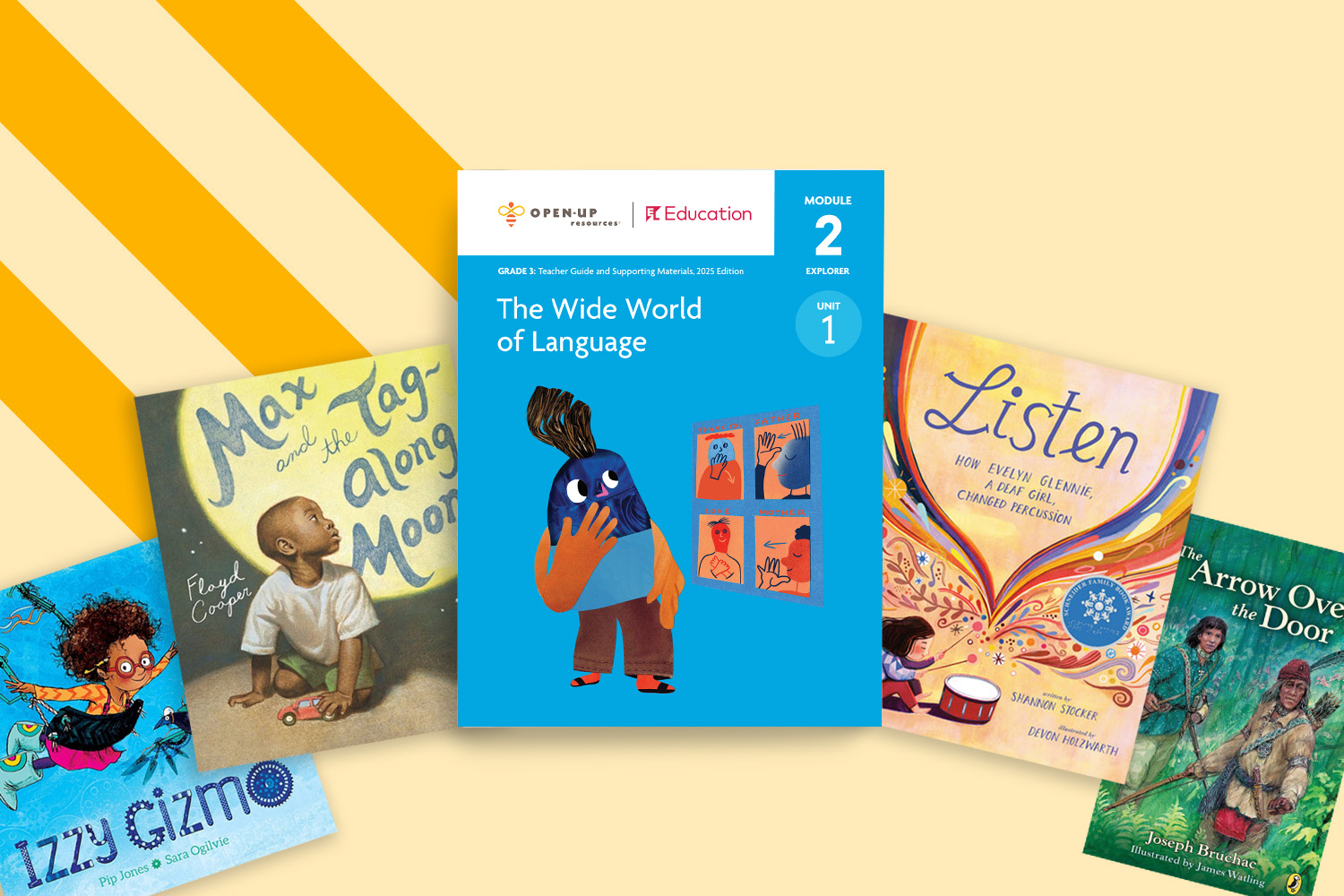
  • Trade books and core texts
  • Editable lesson slides and instructional resources
  • Ongoing educator collaboration and community support

Explore EL Education

Cta Image

Best In Class Professional Learning

We believe Professional Learning is a key ingredient. For EL Education K–5 Language Arts 2025 Edition, our team provides tailored in-person and virtual offerings such as: • Virtual curriculum launch
• 1-day and 2-day on-site curriculum launch
• Leadership: Curriculum Overview and Look-fors

Cta Image